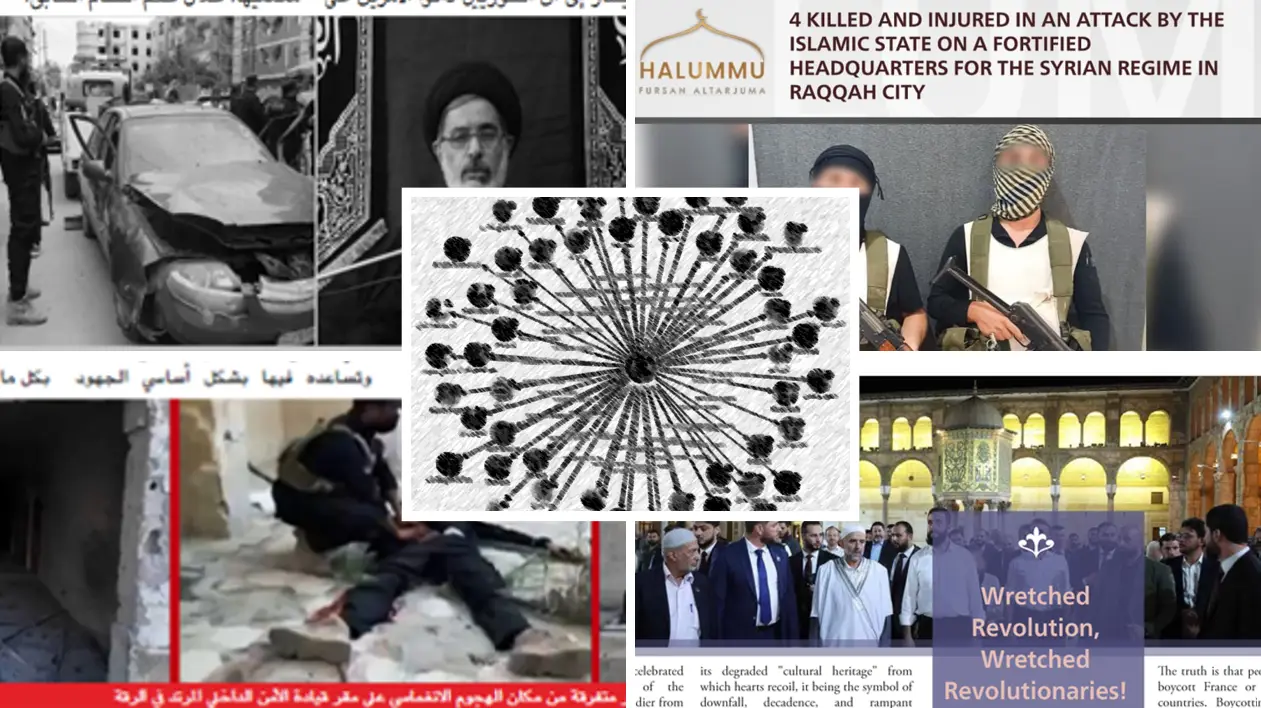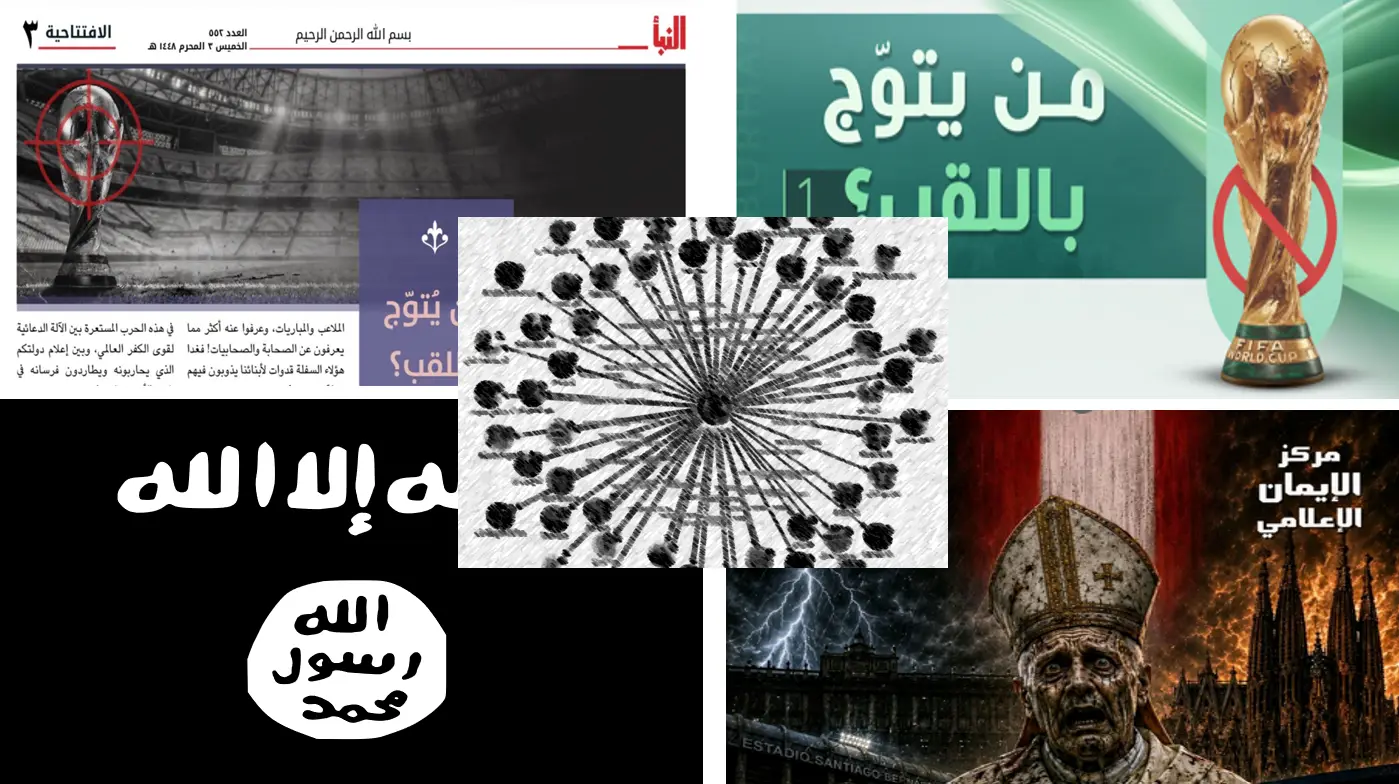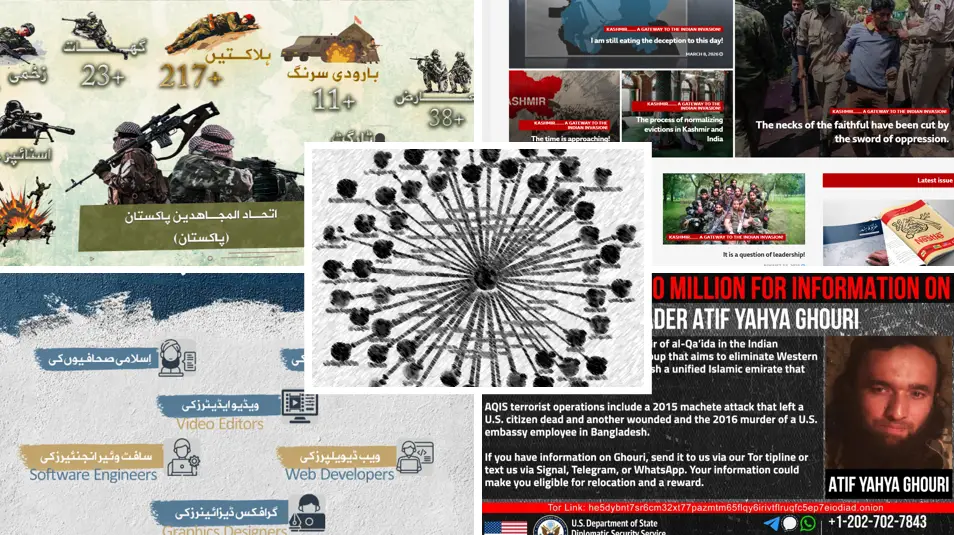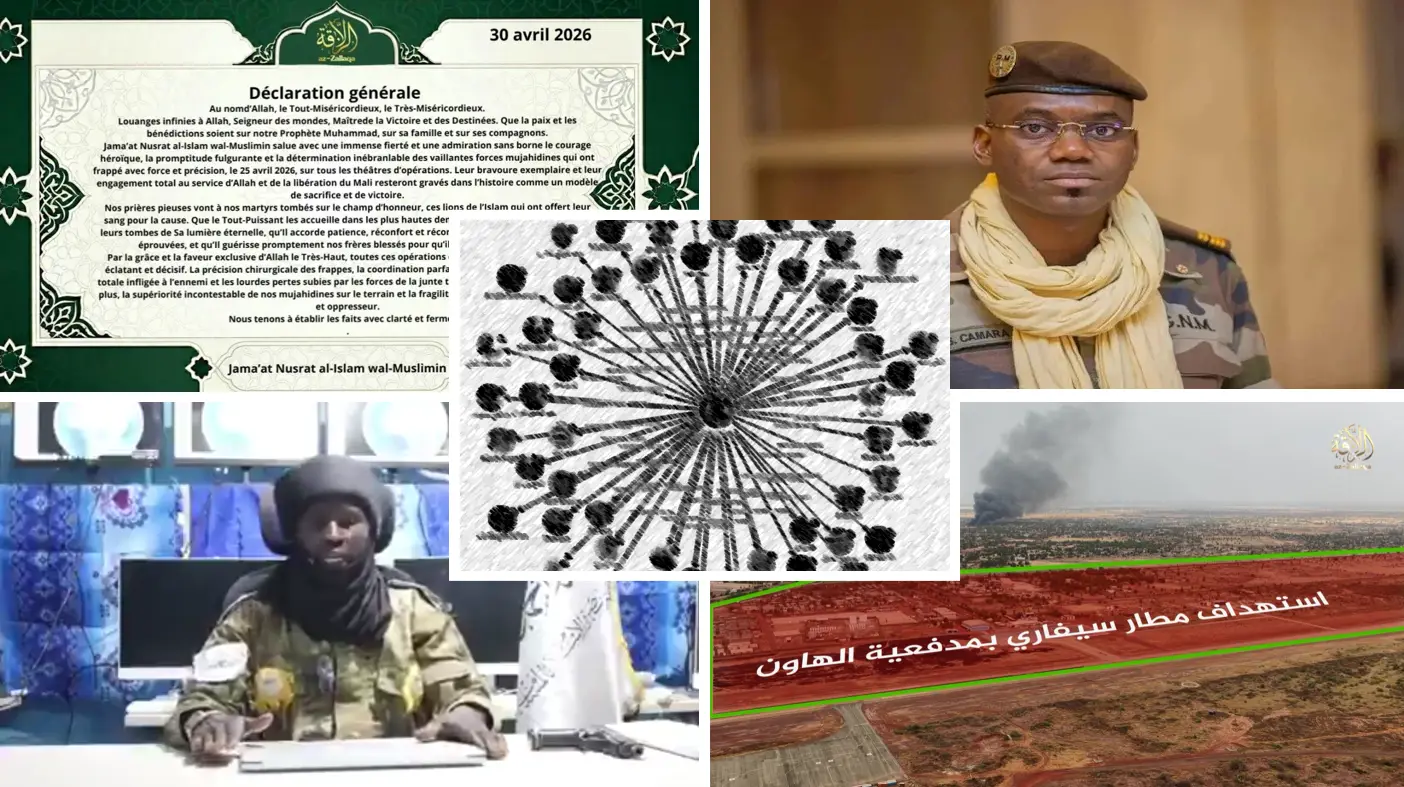


The annual Hydra 2025 report contains an almanac of jihadi statistics and infographics published throught the year.
In Somalia, the Al-Karrar office manages a significant portion of the coordination for the Islamic State’s operations at the regional level in Africa. Moreover, this entity is responsible for facilitating and managing financial transfers to IS affiliates across the continent, including those in the Democratic Republic of Congo and Mozambique. Throughout 2025, intelligence gathered from IS strongholds in Cal-Miskaat confirmed previous assumptions regarding the recruitment and militant training of foreign nationals inside Somalia. These international connections are frequently established initially through online platforms, such as instant messaging applications, underscoring the vital importance of monitoring these digital channels for counterterrorism efforts, as the training and combat experience foreign nationals acquire in Somalia could subsequently be leveraged to re-deploy these individuals to their home countries or other nations to establish terrorist cells and plan attacks. In response, Puntland forces in Somalia initiated a major counterterrorism operation in early 2025, which remains ongoing, which has had some success in hindering the training processes and movement of foreign nationals within Somalia. Thus, the continuation of this operation into 2026 will be crucial in undermining the group’s capacity to regroup and reestablish itself as a primary training ground for foreign fighters.
The past year saw the Jama’at Nusrat ul-Islam wa al-Muslimin insurgency grow its presence in new operational zones in Mali, prosecuting an “economic war” and strangling the country’s economic lifelines. In both Mali and Burkina Faso, JNIM has begun a shift from projecting power over territory via “shadow governance” to more concrete occupations of key towns and locales. The group’s cadres have also flirted with operations in Guinea and Ivory Coast while resolutely opening new fronts in Togo, Benin and, critically, Nigeria where it is poised to link Africa’s two largest jihadist insurgencies.
During 2025, Europe and North America witnessed several incidents involving self-radicalized individuals planning and perpetrating lone wolf-style attacks. These individuals targeted various high-profile public targets, some of which were clearly influenced by the ongoing Gaza conflict. These incidents were followed by intensified inciting propaganda, primarily disseminated by media outlets affiliated with the Islamic State and by Al-Qaeda in the Arabian Peninsula, designed to leverage the Gaza conflict to encourage individuals inspired by it to conduct attacks in Europe and North America against targets associated with Israel, Jewish communities, and Western countries perceived as Israeli supporters.
Hezbollah’s activities during 2025, the organization’s economic and military condition, and its rehabilitation efforts following the severe blows it sustained during the war with Israel are also reviewed in this report. We present developments since the ceasefire in November 2024, and the subsequent shift in the organization’s center of gravity.
In addition, we discuss its modes of operation in attempting to circumvent the challenges it faces in Lebanon by using other channels available to it, as well as the efforts it is making to maintain support among the Shiite community in Lebanon, despite the difficulties confronting it both externally and domestically.